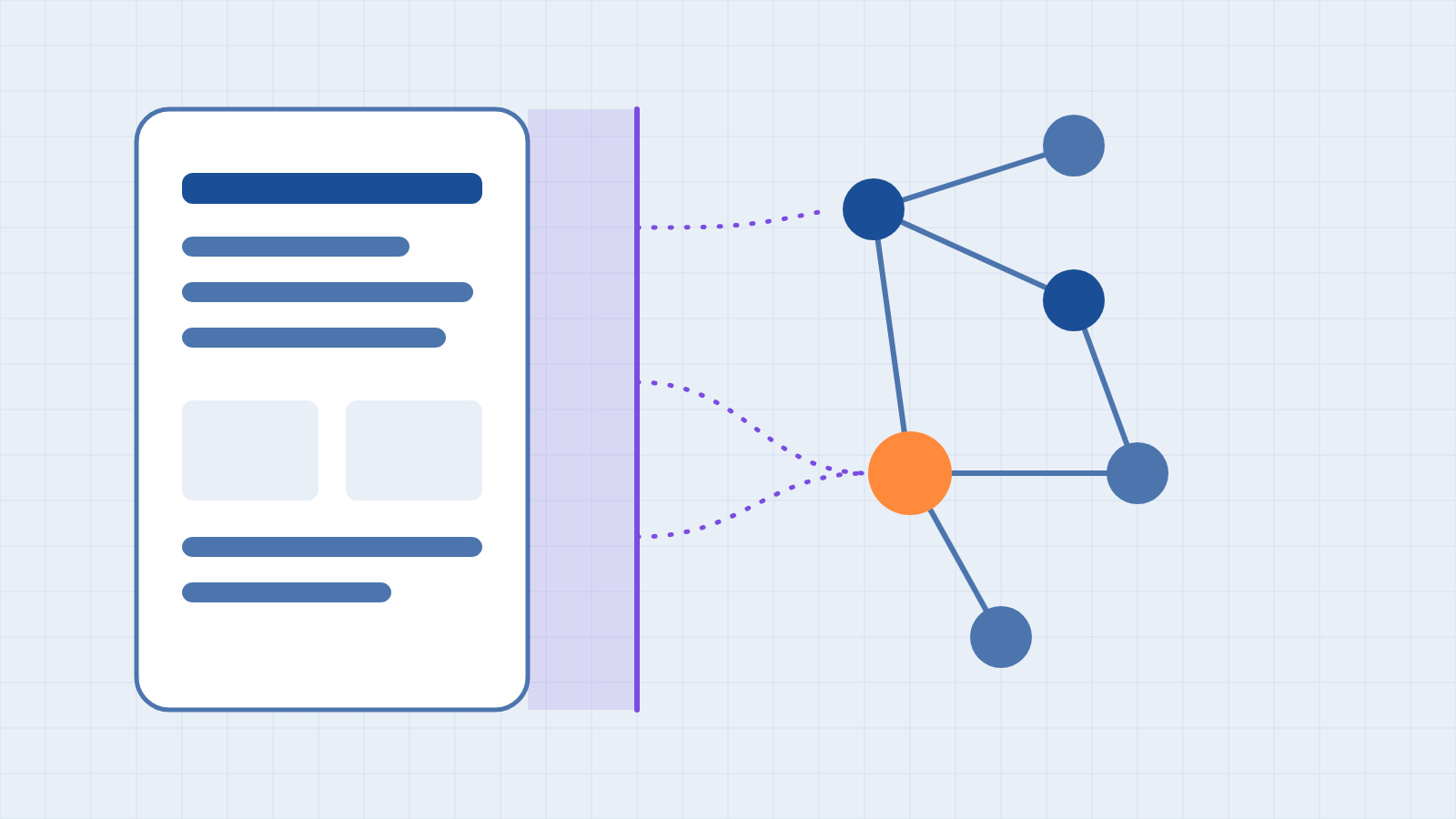
More and more people looking for a business, a service, or an answer now receive an AI-generated summary rather than a list of links. For a business, the practical question is whether its website is one of the sources those systems draw on, and what it can reasonably do to influence that.
The honest answer is that no one can guarantee inclusion, and much of the advice circulating on the subject is unverified. What you can do is rely on what the search and AI providers themselves have published, and build pages that are clear to any reader, human or automated.
What Google says
Google's documentation on AI features in Search is direct on several points. It states that "there are no additional requirements to appear in AI Overviews or AI Mode, nor other special optimizations necessary." To be eligible as a supporting link, "a page must be indexed and eligible to be shown in Google Search with a snippet." And it adds that "there's also no special schema.org structured data that you need to add."
Google's recommendations are the foundations that have applied to search for years: allow crawling, link pages to one another internally, provide a good page experience, ensure that important content appears as text, and keep business information, such as a Business Profile, current. Controls such as nosnippet and noindex limit what appears from a page, so a page accidentally configured with them also removes itself from these features.
A change worth knowing about
Structured data for FAQs is one case where the guidance has changed. Google's documentation states that the FAQ rich result "will no longer appear in Google Search starting May 7, 2026," and the documentation was removed on June 15, 2026. Marking up a set of questions and answers no longer produces that result in Google. The questions and answers are still valuable as content, but they should be written for the reader, not for the markup.
What the AI providers publish about crawling
Major AI providers operate more than one crawler, and their purposes differ, which matters when deciding what to allow in a robots.txt file.
- OpenAI documents OAI-SearchBot, which is used to surface websites in ChatGPT's search features, and states that sites that block it will not appear in those search results; GPTBot, which crawls content for training and can be disallowed to indicate that content should not be used for training; and ChatGPT-User, which acts on a user's request and is not used to crawl automatically.
- Anthropic documents ClaudeBot, which collects web content that could contribute to training; Claude-User, which may access a site when a person asks Claude a question; and Claude-SearchBot, which analyzes content to improve search results. Anthropic states that its bots honor robots.txt directives.
The decision about training and the decision about appearing in answers are therefore separable. A business can allow search-oriented crawlers while disallowing training crawlers, but should make that choice deliberately and verify current user-agent names against each provider's documentation, since they change.
What to build for
Because the providers say there is no special markup, the practical work is editorial and structural.
- Answer the question first. Begin each page section with a plain, direct statement, then elaborate. You can quote a sentence that stands on its own accurately; you can't quote one that depends on the surrounding paragraph.
- Use headings that describe the content. A heading that states the question a section answers helps both readers and systems understand its scope.
- Keep important information in text. Details embedded only in images, sliders, or scripts are harder to read reliably.
- Be specific and consistent. State what you do, where, and for whom, and use the same names and facts everywhere they appear, including on external profiles.
- Keep pages indexable. Verify that robots.txt, meta tags, and canonical settings don't exclude pages you want found.
- Treat structured data as description, not a lever. Markup that accurately describes an organization or service is reasonable, but Google says it isn't required for these features, and it should never describe something the page doesn't show.
The short version
AI-generated answers draw on pages that are accessible to crawlers, indexed, clear, and specific. Providers state there is no special optimization to apply, so the advantage lies in doing the fundamentals well and in making deliberate decisions about which crawlers to admit. If you would like our team to review how your site reads to both people and automated systems, reach out—we'll assess it transparently before any commitment.
Sources
Verified against provider documentation as of October 2026. Crawler names and policies change; confirm them before editing robots.txt.
Have a system you want your website to talk to?
Book a free discovery call. We will tell you where your applications stand before you commit to anything.
Book a discovery call